Beyond the Spin: Mastering the casino classic for Big Wins & Lasting Fun
The world of casino gaming is constantly evolving, yet some experiences remain timeless and eternally appealing. Among these enduring favorites is the casino classic, a genre representing games built on tradition, skill, and a touch of chance. These aren’t simply games; they’re cultural touchstones, symbols of elegance and excitement that have captivated players for generations. Whether you’re a seasoned high roller or a curious newcomer, understanding the intricacies of these classic offerings is key to maximizing enjoyment and increasing your odds of success.
From the strategic depth of blackjack to the suspenseful spin of the roulette wheel, classic casino games offer a unique blend of entertainment and engagement. They represent a fundamental aspect of the gambling landscape, often serving as the foundation upon which more modern games are built. This article delves into the world of these iconic games, providing insights into their rules, strategies, and the enduring appeal that keeps players coming back for more.
The Allure of Blackjack: Strategy and Skill
Blackjack, often referred to as 21, is a perennial favorite in casinos worldwide. Its popularity stems from a unique combination of luck and skill, where players can actively influence their chances of winning through strategic decision-making. Unlike purely chance-based games, blackjack rewards knowledge of basic strategy and the ability to adapt to changing circumstances. The core objective is simple: beat the dealer’s hand without exceeding 21.
However, mastering blackjack requires more than just knowing the basic rules. Understanding concepts like hitting, standing, doubling down, and splitting pairs is crucial. Card counting, though sometimes associated with blackjack, is a complex technique and often discouraged by casinos. Learning the optimal strategy chart, which dictates the best play in every possible situation, is a valuable step towards improving one’s odds.
The social aspect of blackjack also contributes to its appeal. Players often engage in friendly competition with the dealer and fellow players, creating a lively and engaging atmosphere. The quick pace of the game and the constant decision-making keep players on the edge of their seats, making blackjack a thrilling experience for players of all skill levels.
Understanding Basic Blackjack Strategy
Basic strategy in blackjack isn’t about memorizing every possible scenario; it’s about understanding the statistically optimal way to play each hand based on your cards and the dealer’s upcard. Charts are readily available online, detailing the best action – whether to hit, stand, double down, or split – for every combination. Utilizing basic strategy reduces the house edge significantly, giving players a far better chance of winning.
It’s important to remember that even with basic strategy, blackjack still involves an element of chance. There will be times when the cards simply don’t fall in your favor. However, by consistently making optimal decisions, you can minimize your losses and maximize your potential gains over the long run. Discipline and adherence to the strategy chart are key to success.
Beyond basic strategy, some players explore more advanced techniques like card counting. However, it’s essential to understand that card counting is complex, requires significant practice, and is often frowned upon by casinos. Focusing on mastering basic strategy is generally the most effective approach for the vast majority of players.
Player Hand
Dealer Upcard (2-6)
Dealer Upcard (7-Ace)
| 9-11 | Double Down | Hit |
| 12-16 | Stand | Hit |
| 17 or Higher | Stand | Stand |
Roulette: The Spin of Fortune
Roulette, with its iconic spinning wheel and the rhythmic call of the croupier, is perhaps the most visually striking game in any casino. The objective is straightforward: predict where the ball will land on the numbered wheel. Players place their bets on various sections of the table, including individual numbers, color (red or black), odd or even, or groups of numbers.
There are two main types of roulette: European and American. European roulette features a wheel with 37 numbers (0-36), while American roulette has 38 numbers with the addition of a “00”. This seemingly small difference significantly impacts the house edge, making European roulette more favorable to players. The house edge in European roulette is around 2.7%, while in American roulette, it’s 5.26%.
Roulette is primarily a game of chance, and there isn’t a foolproof strategy to guarantee a win. However, understanding the different betting options and their corresponding odds can help you make informed decisions. Some players employ strategies like the Martingale system, which involves doubling your bet after each loss, but this can be risky and requires a substantial bankroll.
Inside and Outside Bets in Roulette
Roulette bets are broadly classified into two categories: inside bets and outside bets. Inside bets are placed on specific numbers or small groups of numbers on the inner section of the roulette table. These bets offer higher payouts but have lower odds of winning. Examples include betting on a single number (straight up), two adjacent numbers (split bet), or four numbers forming a square (corner bet).
Outside bets, on the other hand, are placed on larger groups of numbers on the outer section of the table. These bets offer lower payouts but have higher odds of winning. Examples include betting on red or black, odd or even, or the numbers 1-18 or 19-36. Outside bets are generally considered to be a more conservative approach to playing roulette.
Choosing between inside and outside bets depends on your risk tolerance and playing style. If you prefer taking bigger risks for potential bigger rewards, inside bets might be more appealing. If you prefer a more cautious approach with better odds of winning, outside bets are a good choice.
- Straight Up: Bet on a single number. Pays 35:1
- Split Bet: Bet on two adjacent numbers. Pays 17:1
- Corner Bet: Bet on four numbers. Pays 8:1
- Red/Black: Bet on red or black. Pays 1:1
- Odd/Even: Bet on odd or even. Pays 1:1
The Timeless Appeal of Baccarat
Baccarat, traditionally a high-roller game, has become increasingly accessible in recent years. Often associated with James Bond, baccarat is a card game with a surprisingly simple premise. Players bet on whether the «Player» hand or the «Banker» hand will have a total closest to nine. Interestingly, you’re not actually betting against the other players; you’re betting on which of the two hands will win.
The rules for drawing additional cards are predetermined and follow a strict set of guidelines. Players don’t make any decisions regarding drawing cards; the rules dictate the outcome. This makes baccarat a game of pure chance, requiring no skill or strategy. This simplicity is part of its allure — it’s easy to learn and quick to play.
Baccarat’s intrigue partly lies in its perceived sophistication and the elegant rituals surrounding the game. However, despite its reputation, baccarat is relatively easy to understand. The house edge in baccarat is relatively low, making it an attractive option for players looking for a game with favorable odds.
Understanding the Baccarat Hand Rankings
In baccarat, the goal is to have a hand with a total closest to nine. However, the scoring system is slightly different from traditional card games. Cards 2 through 9 are worth their face value. Tens, Jacks, Queens, and Kings are all worth zero. Aces are worth one. The total is calculated by adding the values of the cards in the hand and then taking only the ones digit. For example, a hand with a 7 and an 8 totals 15, but the baccarat value is 5.
The hand with the highest total wins. If the Player and Banker hands have the same total, it is a tie. Ties offer a relatively high payout, but the odds of a tie are significantly lower than the odds of either the Player or Banker winning. It’s generally advisable to avoid betting on ties, as the house edge is considerably higher.
The Banker hand has a slight statistical advantage, but casinos typically charge a commission on Banker wins to compensate for this advantage. Understanding hand rankings and the commission structure is crucial for making informed betting decisions in baccarat.
Hand Total
Baccarat Value
| 0-1 | 0 |
| 2-3 | 2-3 |
| 4-5 | 4-5 |
| 6-7 | 6-7 |
| 8-9 | 8-9 |
| 10-11 | 0 |
| 12-13 | 2 |
Craps: The Excitement of the Dice
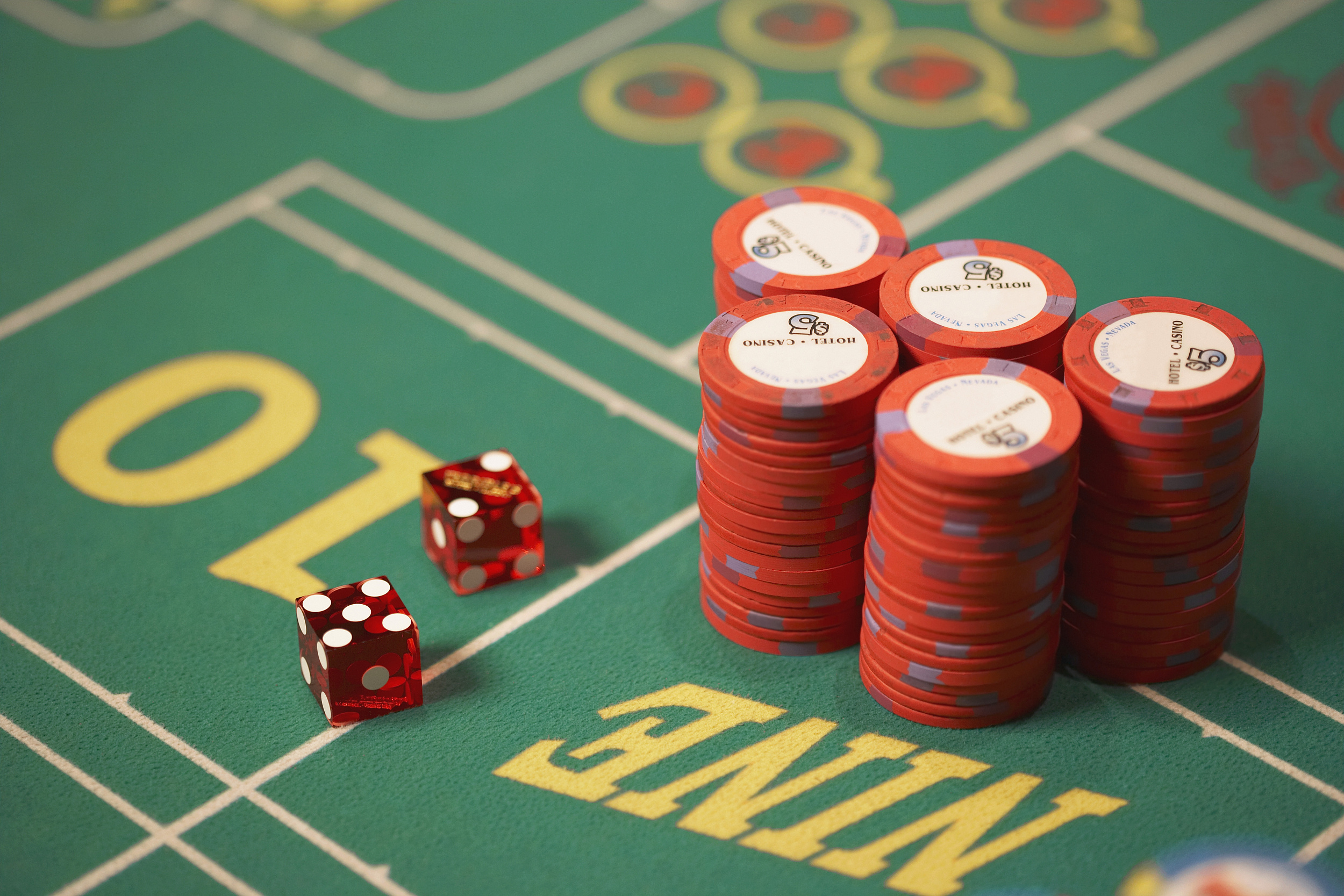
Craps is a fast-paced, energetic casino game that often attracts a crowd. The game revolves around players betting on the outcome of a pair of dice rolled on a specially marked table. While it can initially appear complex, the basic rules of craps are relatively straightforward. The fundamental objective is to predict the outcome of the dice roll.
The game starts with the “come-out roll.” The player rolling the dice (the “shooter”) aims to roll a 7 or 11 on the come-out roll to win immediately. If the shooter rolls a 2, 3, or 12, they lose immediately. If any other number is rolled, that number becomes the “point.” The shooter then continues rolling the dice until they either roll the point again (winning) or roll a 7 (losing).
Craps offers a wide variety of betting options, ranging from simple pass/don’t pass bets to more complex proposition bets. The house edge varies depending on the type of bet placed. Understanding the different bets and their associated risks is essential for playing craps successfully.
Common Craps Bets and Payouts
Several bets are commonly made when playing craps. The «Pass Line» bet is the most basic and popular bet, where you are betting that the shooter will win. The «Don’t Pass» bet is the opposite, betting that the shooter will lose. These bets have relatively low house edges.
Other common bets include «Come» and «Don’t Come» bets which are similar to Pass and Don’t Pass but made after a point has been established. Proposition bets offer high payouts but have significantly higher house edges. It’s generally recommended to stick to the Pass Line and Come bets for a more conservative approach.
The vibrant and social atmosphere surrounding the craps table is a major part of its appeal. Players often cheer each other on and celebrate big wins, creating a lively and exciting experience. The complex betting options and the unpredictable nature of the dice rolls make craps a truly captivating game.
- Pass Line Bet: Pays even money.
- Don’t Pass Bet: Pays even money.
- Come Bet: Pays even money.
- Don’t Come Bet: Pays even money.
- Place Bets: Payouts vary depending on the number.
These classic casino games continue to entice players with their blend of chance, skill, and tradition. From the strategic depth of blackjack to the exhilarating spin of the roulette wheel, each game offers a unique experience. By understanding the rules, strategies, and nuances of these timeless favorites, players can maximize their enjoyment and potentially increase their chances of winning. Whether you’re a casual gamer or a serious gambler, the world of casino classics offers something for everyone.