https://creditferma.kz/

Рубрика:1

Promocje programu lojalnościowego MostBet

Promocje programu lojalnościowego MostBet

Podstawowy program zakłada długoterminowe zaangażowanie gracza w obstawianie zakładów na stronie. Nie wszyscy gracze są w stanie grać przez 3-4 miesiące lub dłużej, aby osiągnąć poziom, na którym zapewniony będzie korzystny kurs wymiany walut i satysfakcjonujący cashback. Z tego powodu administracja bukmacherska przygotowała dodatkowe promocje i oferty specjalne dla stałych graczy, które pomogą im zwiększyć saldo konta i kontynuować grę.

Cashback od każdego zakładu

Zwroty są oferowane wyłącznie za przegrane zakłady; wysokość cashbacku zależy od kwoty przegranej w okresie rozliczeniowym. Pasja jest ustalana raz w tygodniu, od niedzieli do poniedziałku wieczorem. Osoby, które postawiły co najmniej 7000 naira w ciągu tygodnia i nie są na plusie w porównaniu z poprzednim tygodniem, mogą otrzymać zwrot pieniędzy.

Aby ubiegać się o zwrot gotówki, należy zalogować się na swoje konto osobiste i kliknąć przycisk „Uzyskaj zwrot”. W przeciwnym razie bonus zostanie zwrócony. Masz 72 godziny na jego złożenie. Aby wypłacić bonus, należy go obrócić 3 razy środkami z konta głównego. Regulamin dotyczy zarówno kasyn online, jak i zakładów sportowych.

Kurs realizacji

Ta oferta specjalna jest przeznaczona dla graczy na każdym poziomie zaawansowania. Jeśli szanse na wygraną w danym wydarzeniu zmienią się znacząco na Twoją korzyść, potrzebujesz szybko gotówki, skład Twojej drużyny uległ zmianie itd., musisz zrealizować zakład.poczytaj o tym mosbet casino z naszych artykułów Aby postawić zakład, przejdź do sekcji „„historię zakładów” w osobistym schowku. Promocja obowiązuje wyłącznie dla zakładów pojedynczych lub łączonych.

Realizacja jest dozwolona dla zakładów postawionych w trybie na żywo lub przed meczem. Warunkiem koniecznym jest oznaczenie wydarzenia symbolem realizacji. W zależności od aktualnego kursu, kwoty zakładu i innych warunków, strona automatycznie określi zwrot i przeleje go na konto użytkownika. Kwota zwrotu będzie z pewnością niższa od zakładu, jednak nie pozwoli na utratę wszystkich środków, a jedynie ich część.

Express Booster

Ta funkcja pozwala zwiększyć wygraną o 10%. Głównym warunkiem jest postawienie zakładu na zakład akumulowany z 4 lub więcej zdarzeniami. Minimalny kurs w każdym zdarzeniu musi wynosić 1,2. Opcja jest włączana automatycznie i nie wymaga żadnych dodatkowych działań ze strony gracza. Jeśli W przypadku wygranych w zakładach akumulowanych, klient otrzyma wygraną oraz 10% z nich jako nagrodę od bukmachera.

Więcej korzyści MostBet

Bukmacher oferuje wiele promocji i ofert specjalnych jako dodatkowe nagrody. Należą do nich:

  • Ubezpieczenie Express Freibet. Jeśli klient postawi zakład akumulowany z 7 lub więcej zdarzeniami, w którym jedno z nich przegra, saldo może zostać przypisane do darmowych punktów do ponownej gry.
  • Promocja „Zaproś znajomego” obejmuje aktywację programu poleceń. Goście otrzymają do 40% środków, które poleceni przez nich gracze zainwestują w gry sportowe lub kasynowe online.
  • W dniu urodzin użytkownika, bukmacher oferuje darmowe oferty. Ich liczba zależy od preferencji gracza w grach komputerowych. zadanie.
  • Kupon z darmowymi prezentami. Obstawiając zakład akumulowany z trzema lub więcej okazjami, istnieje możliwość otrzymania kodów promocyjnych o wartości około 40% postawionego zakładu.
  • W każdy piątek użytkownicy, którzy dokonają wpłaty, mogą otrzymać na swoje konto do 100% przelanej kwoty.
  • Bezpieczne obstawianie. Dotyczy tylko najważniejszych meczów piłkarskich. Istnieje szansa na odzyskanie około 100% wpłaconej kwoty, jeśli drużyna klienta przegra.

Biorąc pod uwagę dużą liczbę ofert specjalnych, gracze mogą otrzymać znaczne sumy pieniędzy na swoje konto bez konieczności wpłacania własnych środków, a jedynie obstawiania nagrody bonusowej. Osoby, które zdobędą kod promocyjny, będą miały wyjątkowe szczęście. Obrót wszystkimi środkami odbywa się w standardowy sposób opisany powyżej.

Promocja MostBet Kody promocyjne

Kod promocyjny to kombinacja liter i/lub cyfr, która po aktywacji oferuje graczowi określone korzyści. Jedną z korzyści MostBet – kod kuponu przy rejestracji – może być kod powiązany z adresem e-mail użytkownika po jego weryfikacji. Kody można znaleźć na stronach partnerskich bukmachera, w newsletterze, na oficjalnych kanałach MostBet w mediach społecznościowych i u operatorów. MostBet regularnie organizuje również promocje i promocje, w ramach których można uzyskać specjalny kod kuponu do MostBet już dziś.

Jak wprowadzić kod rabatowy

Kod promocyjny można uzyskać podczas rejestracji konta lub przed wydarzeniem.

W drugim przypadku kod kuponu może zwiększyć kwotę cashbacku, kwotę wygranych lub zapewnić graczowi inne bonusy. Wprowadź go w polu poniżej zakładu Kwota.

Kody promocyjne są ważne tylko na wydarzenia promocyjne, kasyno ma własne bilety o podobnej funkcjonalności.

Promocje tymczasowe od MostBet

Promocje krótkoterminowe obejmują wszystkie promocje bukmacherskie i oferty specjalne, które są ograniczone do określonego okresu ważności. Promocje krótkoterminowe mają na celu zwiększenie aktywności graczy i zainteresowania zakładami. Oferty są zazwyczaj aktywowane podczas ważnych meczów piłki nożnej lub innych wydarzeń promocyjnych.

Promocje obowiązują również w kasynach w okresie obowiązywania promocji. Możesz również sprawdzić, czy promocja jest aktywna, za pośrednictwem powiadomień SMS lub e-mail, jeśli masz je włączone w panelu klienta. Sprawdź wszystkie promocje i oferty bukmachera na stronie głównej, klikając przycisk „Promocje” u góry ekranu.

Problemy z uzyskaniem dostępu do MostBet korzyści

Jeśli użytkownik upewnia się, że otrzyma konkretną korzyść, a nagroda nie pojawiła się na jego koncie, należy skontaktować się z pomocą techniczną strony internetowej.

  • Pomoc techniczna jest dostępna 1 dzień w tygodniu, a interakcja z użytkownikiem odbywa się w języku wybranym przez użytkownika w holu.
  • Z zespołem pomocy technicznej można skontaktować się online, e-mailem lub telefonicznie.
  • Dzwoniąc, należy wyjaśnić problem, przesłać zrzuty ekranu i dane kontaktowe.
  • Pomoc techniczna reaguje w ciągu 5 do 15 minut, w zależności od numeru telefonu.
  • Zazwyczaj problem jest rozwiązywany w ciągu pierwszych 30-60 minut od kontaktu z operatorami.

Według graczy i specjalistów od zakładów bukmacherskich, MostBet ma jeden z Najbardziej niezawodny program reklamowy w porównaniu z innymi bukmacherami. Biuro bukmacherskie oferuje mnóstwo różnorodnych ofert specjalnych, mających na celu nie tylko podsycenie pasji do gry, ale także zaoszczędzenie pieniędzy gracza.

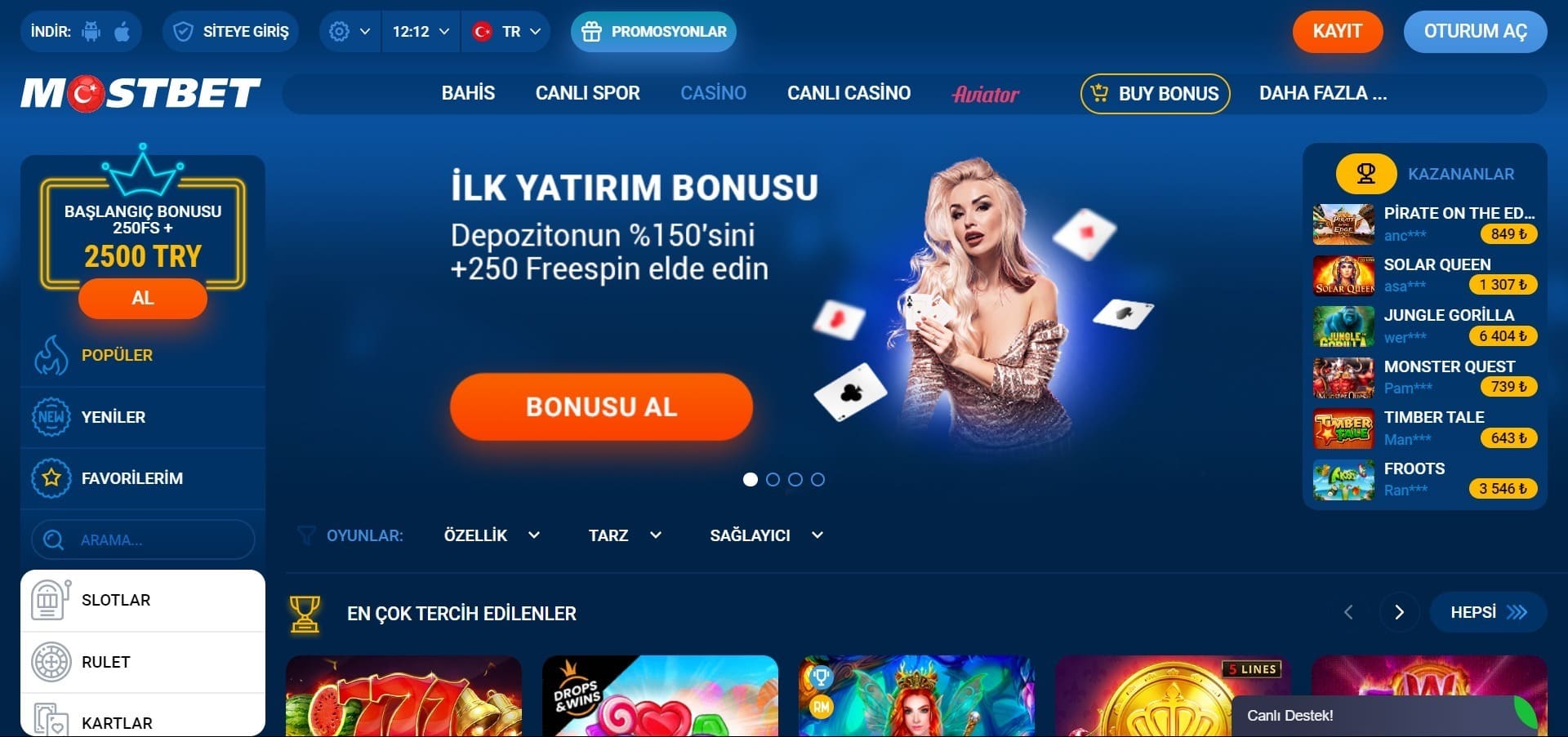
Mostbet faydası: mərc üçün ən effektiv təkliflər

İnternet saytına daxil olun və endirim kodundan istifadə edin

Mostbet mərc kontorunda yalnız maraqlı təkliflərdən qazana bilməzsiniz. Mostbet mükafatı almaq istəyirsiniz? Mərc kontoru sizi enerjili oyununuz üçün mükafatlandıracaq. Mərc kontorunun öhdəlik proqramının ətraflı icmalını hazırlamışıq. BC veb saytında nəyə keçə biləcəyinizi öyrənəcəksiniz və sizə uyğun variantı seçəcəksiniz.

İstənilən müştəri Mostbet sədaqət proqramına və üstünlüklərinə qoşula bilər. Bunu etmək üçün hesab yaratmalı və ilkin mərci yerləşdirməlisiniz. Mostbet-də qeydiyyatdan keçmək üçün oyunçular üçün mükafatlar, enerjili insanlar üçün mükafatlar və adi yarışlar mövcuddur. Əlavə mükafatlar və böyük cekpotlar uğrunda yarışmağa hazırsınız? İndi qeydiyyatdan keçin!

Mostbet qeydiyyat üstünlükləri

Yeni istifadəçi qeydiyyatdan keçdikdən dərhal sonra ilk mükafatını alacaq. Və siz ən sevdiyiniz variantı seçə bilərsiniz:

  • 125% — idman mərcləri üçün ilkin depozit mükafatı;
  • 125% + 250 FS — onlayn kazino sayt mərcləri üçün ilkin ödəniş mükafatı.

Siz iştirak etmirsiniz. mostbet əlaqə nömrəsi vebsayt

Mostbet xoş gəlmisiniz bonusu yeni başlayanlar və təcrübəli mərcçilər üçün əla başlanğıcdır, bu da saytın imkanlarına alışmağınıza, ilkin ödənişinizi itirməməyinizə və ilk qazancınızı qazanmağınıza kömək edəcək. Vəsaitlər hesaba köçürüldükdən dərhal sonra bonus hesabından alış-verişləri real kimi tamamlaya bilərsiniz.

Mostbet ofisində hansı üstünlüklər mövcuddur?

Mostbet faydası: mərc üçün ən effektiv təkliflər

BC Mostbet-də bonus hər bir oyunçu üçün nəzərdə tutulub. Onlar sizə əvvəlcə daha sərfəli mərclər etməyə, mərclərinizi qorumağa və hətta ad gününüzü Mostbet ilə böyük bir şəkildə qeyd etməyə imkan verəcək! Oyunçulara hansı təkliflər təklif olunur?

  • Xoş gəldin hədiyyəsi. Mostbet-də bütün yeni oyunçular qeydiyyat bonusu təklifi əldə edə bilərlər. Hesab yaratmaq və 550 RUB-a qədər artırmaq üçün onları aktivləşdirmək kifayətdir!
  • Ekspress Sığorta.
  • Pulsuz mərclər və pulsuz fırlanmalarla ad günü qeyd etməsi.
  • Keçid qiyməti.
  • Dostlar üçün Mostbet bonusu.
  • İşlər və nailiyyətlər ilə sədaqət proqramı.
  • Qiymət sığortası.
  • Səhm mərclərindən qazancların artırılması.
  • Dövri və təqvim promosyonları.

Nəzərə alın ki, əksər Mostbet bonuslarında mərc elementi var. Bu o deməkdir ki, ödənişlərinizi çıxarmazdan əvvəl onlara mərc etməlisiniz. Mümkün qədər səmərəli istifadə etmək üçün təşviqlərin alınması və aktivləşdirilməsi şərtlərini araşdırdığınızdan əmin olun.

Mostbet-in faydası: promosyonlardan həmişə necə xəbərdar olmaq olar?

Bukmeykerdən həmişə bonus təklifləri və reklam kodları almaq istəyirsiniz? Bütün Mostbet məlumatları və promosyonlarından iki əsas şeylə xəbərdar ola bilərsiniz.

  • Mostbet xəbərlərinə abunə olun. Bu, qeydiyyat zamanı, saytdakı şəxsi hesabınızda və ya bukmeykerin güzgüsündə edilə bilər.
  • Bukmeykerin mobil tətbiqini quraşdırın. Təzə Mostbet promosyon kodu, mükafat mesajları və digər müxtəlif təkliflər mütləq mətbuat bildirişləri şəklində göndəriləcək.
  • ““-ya əməl edin. «Təqdimatlar» bölməsi mərc şirkətinin saytındadır.

Öhdəlik proqramında iştirak etmək üçün sadəcə mərc etməlisiniz. Qazanın və Mostbet-dən daha çox hədiyyə və üstünlük əldə edin!

Mostbet təşviqi: mərc üçün ən effektiv təkliflər

İnternet saytına daxil olun və kupon kodundan istifadə edin

Mostbet mərc kontorunda yalnız maraqlı matçlarda pul qazana bilməzsiniz. Mostbet mükafatı almaq istəyirsiniz? Mərc kontoru sizi aktiv oyununuz üçün mükafatlandıracaq. Mərc kontorunun öhdəlik proqramı haqqında ətraflı məlumat hazırlamışıq. BC saytında nə əldə edə biləcəyinizi mütləq müəyyən edəcək və sizə uyğun variantı seçəcəksiniz.

İstənilən şəxs Mostbet sadiqlik proqramına və bonus təkliflərinə qoşula bilər. Bunu etmək üçün hesab yaratmalı və ilk mərci yerləşdirməlisiniz. Mostbet-də qeydiyyatdan keçmək üçün oyunçular üçün bonuslar, aktiv istifadəçilər üçün mükafatlar və adi turnirlər mövcuddur. Əlavə mükafatlar və böyük qazanlar uğrunda mübarizə aparmağa hazırsınız? İndi qeydiyyatdan keçin!

Mostbet qeydiyyat mükafatı

Yeni müştəri qeydiyyatdan dərhal sonra ilk mükafatını alacaq. Və siz istədiyiniz seçimi edə bilərsiniz:

  • 125% — idman mərcləri üçün ilkin ödəniş bonusu;
  • 125% + 250 FS — onlayn kazino sayt mərcləri üçün ilkin depozit bonusu.

Link mostbet bahis vebsayt

Mostbet xoş gəldin bonusu yeni başlayanlar və təcrübəli qumarbazlar üçün əla başlanğıcdır, bu da sizə saytın işinə alışmağa, depozitinizi itirməməyə və ilkin qazancınızı qazanmağa kömək edəcək. Vəsaitlər köçürüldükdən dərhal sonra, təşviq hesabından əməliyyatları real olaraq həyata keçirə bilərsiniz.

Mostbet ofisində hansı üstünlüklər mövcuddur?

Mostbet təşviqi: mərc üçün ən effektiv təkliflər

BC Mostbet-də mükafat hər bir oyunçu üçün nəzərdə tutulub. Onlar sizə başlanğıcda daha uğurlu mərclər etməyə, mərclərinizi qorumağa və hətta Mostbet ilə ad gününüzü böyük bir şəkildə qeyd etməyə imkan verəcək! Oyunçulara hansı təkliflər təklif olunur?

  • Hədiyyə edin. Mostbet-də bütün yeni oyunçular qeydiyyat güzəşti əldə edə bilərlər. Hesab yaratmaq və onları 550 RUB-a qədər aktivləşdirmək kifayətdir!
  • Express Sığorta polisi.
  • Pulsuz mərclər və pulsuz fırlanmalarla ad günü.
  • Keçid dərəcəsi.
  • Dostlar üçün Bonus Mostbet.
  • İşlər və uğurla sədaqət proqramı.
  • Sığorta polisi.
  • Açıq mərclərdən artan qazanclar.
  • Mütəmadi və təqvim promosyonları.

Qeyd edək ki, əksər Mostbet güzəştlərinin mərc dəyişkənliyi var. Bu, qazancınızı çıxarmazdan əvvəl onlara mərc etməyiniz lazım olduğunu göstərir. Mümkün qədər uğurla istifadə etmək üçün təşviqlərin alınması və işə salınması ilə bağlı problemləri öyrəndiyinizə əmin olun.

Mostbet təşviqi: promosyonlardan həmişə necə xəbərdar olmaq olar?

Bukmeykerdən həmişə mükafat təklifləri və reklam kodları almaq istəyirsiniz? Bütün Mostbet məlumatları və promosyonlarından iki sadə şeylə xəbərdar ola bilərsiniz.

  • Mostbet məlumatlarına abunə olun. Bu, qeydiyyat zamanı, həmçinin saytdakı şəxsi hesabınızda və ya bukmeykerin güzgüsündə edilə bilər.
  • Bukmeykerin mobil tətbiqini quraşdırın. Təzə Mostbet kupon kodu, bonus təklif mesajları və digər müxtəlif təkliflər push bildirişləri şəklində göndəriləcək.
  • şərtlərinə əməl edin. Bukmeykerin internet saytında «Təqdimatlar» bölməsinə daxil olun.

Sadiqlik proqramında iştirak etmək üçün sadəcə mərc etməlisiniz. Qazanın və Mostbet-dən daha çox hədiyyə və bonus qazanın!

Digital Fairness in the Age of Big Tech

Why regulators, consumers and smaller companies are demanding change now

1. The Current Landscape

In many countries around the world, questions are mounting about how large digital platforms and big tech companies operate. A recent survey by Ipsos across 30 countries found that “digital fairness” is a growing concern—unfair practices in digital markets are seen as a serious challenge. :contentReference[oaicite:2]{index=2}

What this means in practice: issues such as platform dominance, opaque algorithms, data-privacy practices, and unequal access for smaller players. These are no longer niche tech concerns—they are moving into the public policy arena.

2. Why It Matters Now

Trust in digital markets is eroding. When people believe that platforms favour themselves or unfairly disadvantage others, the incentives to participate fairly decline. This can suppress innovation and reduce competition.

Additionally, digital technology is increasingly entwined with everyday life—from shopping and work to social connection and civic engagement. Hence, how the rules are framed has large societal implications.

Regulators are responding. For example, in the European Union, newer laws are being proposed or enforced to ensure fairness in digital markets. The survey by Ipsos helps illustrate how the public perceives these issues globally. :contentReference[oaicite:3]{index=3}

3. Key Challenges and Tensions

  • Platform power vs. free competition: When a few platforms control large portions of the ecosystem (apps, marketplaces, ad services), smaller companies may struggle to compete on equal terms.
  • Transparency and algorithmic fairness: How do we ensure that the decisions made by algorithms (e.g., content ranking, recommendation, ad targeting) are fair and explainable?
  • Global vs. local regulation: Digital platforms operate across borders. National regulation may not be sufficient; global coordination is difficult.
  • User data and privacy: Fairness also intersects with how user data is collected, used and monetised. Are users aware? Are they treated equitably?

4. What This Means for You (and Me)

From a consumer or user perspective, this trend means you should be more aware of:

  • Which platforms you use and how they treat your data.
  • Whether smaller or alternative services could offer better value or fairness.
  • How to engage critically: ask questions like “Why is this product recommended to me?” or “What business model is behind this service?”

For professionals (including those working in digital marketing, SEO, content or tech), the implications are also big: strategy may need to adapt to new rules on platform access, data usage, and competition. Understanding the shift toward fairness could create opportunities for differentiation.

5. Looking Ahead

We are likely to see several developments:

  1. More regulatory action internationally, especially in regions like the EU and possibly Asia-Pacific.
  2. Increased pressure on big tech companies to demonstrate fairness, transparency and enable smaller players.
  3. Emergence of new platforms and services that promote fairness as a core value (which might appeal to users tired of being “just another data point”).
  4. Growing public expectation that digital participation comes with rights and responsibilities—fair access, choice, and clarity.

For anyone interested in digital culture, business trends or societal change, this is a moment to watch: the era of “unquestioned platform power” may be shifting toward a more balanced model.

Digital Fairness in the Age of Big Tech

Why regulators, consumers and smaller companies are demanding change now

1. The Current Landscape

In many countries around the world, questions are mounting about how large digital platforms and big tech companies operate. A recent survey by Ipsos across 30 countries found that “digital fairness” is a growing concern—unfair practices in digital markets are seen as a serious challenge. :contentReference[oaicite:2]{index=2}

What this means in practice: issues such as platform dominance, opaque algorithms, data-privacy practices, and unequal access for smaller players. These are no longer niche tech concerns—they are moving into the public policy arena.

2. Why It Matters Now

Trust in digital markets is eroding. When people believe that platforms favour themselves or unfairly disadvantage others, the incentives to participate fairly decline. This can suppress innovation and reduce competition.

Additionally, digital technology is increasingly entwined with everyday life—from shopping and work to social connection and civic engagement. Hence, how the rules are framed has large societal implications.

Regulators are responding. For example, in the European Union, newer laws are being proposed or enforced to ensure fairness in digital markets. The survey by Ipsos helps illustrate how the public perceives these issues globally. :contentReference[oaicite:3]{index=3}

3. Key Challenges and Tensions

  • Platform power vs. free competition: When a few platforms control large portions of the ecosystem (apps, marketplaces, ad services), smaller companies may struggle to compete on equal terms.
  • Transparency and algorithmic fairness: How do we ensure that the decisions made by algorithms (e.g., content ranking, recommendation, ad targeting) are fair and explainable?
  • Global vs. local regulation: Digital platforms operate across borders. National regulation may not be sufficient; global coordination is difficult.
  • User data and privacy: Fairness also intersects with how user data is collected, used and monetised. Are users aware? Are they treated equitably?

4. What This Means for You (and Me)

From a consumer or user perspective, this trend means you should be more aware of:

  • Which platforms you use and how they treat your data.
  • Whether smaller or alternative services could offer better value or fairness.
  • How to engage critically: ask questions like “Why is this product recommended to me?” or “What business model is behind this service?”

For professionals (including those working in digital marketing, SEO, content or tech), the implications are also big: strategy may need to adapt to new rules on platform access, data usage, and competition. Understanding the shift toward fairness could create opportunities for differentiation.

5. Looking Ahead

We are likely to see several developments:

  1. More regulatory action internationally, especially in regions like the EU and possibly Asia-Pacific.
  2. Increased pressure on big tech companies to demonstrate fairness, transparency and enable smaller players.
  3. Emergence of new platforms and services that promote fairness as a core value (which might appeal to users tired of being “just another data point”).
  4. Growing public expectation that digital participation comes with rights and responsibilities—fair access, choice, and clarity.

For anyone interested in digital culture, business trends or societal change, this is a moment to watch: the era of “unquestioned platform power” may be shifting toward a more balanced model.

Digital Fairness in the Age of Big Tech

Why regulators, consumers and smaller companies are demanding change now

1. The Current Landscape

In many countries around the world, questions are mounting about how large digital platforms and big tech companies operate. A recent survey by Ipsos across 30 countries found that “digital fairness” is a growing concern—unfair practices in digital markets are seen as a serious challenge. :contentReference[oaicite:2]{index=2}

What this means in practice: issues such as platform dominance, opaque algorithms, data-privacy practices, and unequal access for smaller players. These are no longer niche tech concerns—they are moving into the public policy arena.

2. Why It Matters Now

Trust in digital markets is eroding. When people believe that platforms favour themselves or unfairly disadvantage others, the incentives to participate fairly decline. This can suppress innovation and reduce competition.

Additionally, digital technology is increasingly entwined with everyday life—from shopping and work to social connection and civic engagement. Hence, how the rules are framed has large societal implications.

Regulators are responding. For example, in the European Union, newer laws are being proposed or enforced to ensure fairness in digital markets. The survey by Ipsos helps illustrate how the public perceives these issues globally. :contentReference[oaicite:3]{index=3}

3. Key Challenges and Tensions

  • Platform power vs. free competition: When a few platforms control large portions of the ecosystem (apps, marketplaces, ad services), smaller companies may struggle to compete on equal terms.
  • Transparency and algorithmic fairness: How do we ensure that the decisions made by algorithms (e.g., content ranking, recommendation, ad targeting) are fair and explainable?
  • Global vs. local regulation: Digital platforms operate across borders. National regulation may not be sufficient; global coordination is difficult.
  • User data and privacy: Fairness also intersects with how user data is collected, used and monetised. Are users aware? Are they treated equitably?

4. What This Means for You (and Me)

From a consumer or user perspective, this trend means you should be more aware of:

  • Which platforms you use and how they treat your data.
  • Whether smaller or alternative services could offer better value or fairness.
  • How to engage critically: ask questions like “Why is this product recommended to me?” or “What business model is behind this service?”

For professionals (including those working in digital marketing, SEO, content or tech), the implications are also big: strategy may need to adapt to new rules on platform access, data usage, and competition. Understanding the shift toward fairness could create opportunities for differentiation.

5. Looking Ahead

We are likely to see several developments:

  1. More regulatory action internationally, especially in regions like the EU and possibly Asia-Pacific.
  2. Increased pressure on big tech companies to demonstrate fairness, transparency and enable smaller players.
  3. Emergence of new platforms and services that promote fairness as a core value (which might appeal to users tired of being “just another data point”).
  4. Growing public expectation that digital participation comes with rights and responsibilities—fair access, choice, and clarity.

For anyone interested in digital culture, business trends or societal change, this is a moment to watch: the era of “unquestioned platform power” may be shifting toward a more balanced model.

Digital Fairness in the Age of Big Tech

Why regulators, consumers and smaller companies are demanding change now

1. The Current Landscape

In many countries around the world, questions are mounting about how large digital platforms and big tech companies operate. A recent survey by Ipsos across 30 countries found that “digital fairness” is a growing concern—unfair practices in digital markets are seen as a serious challenge. :contentReference[oaicite:2]{index=2}

What this means in practice: issues such as platform dominance, opaque algorithms, data-privacy practices, and unequal access for smaller players. These are no longer niche tech concerns—they are moving into the public policy arena.

2. Why It Matters Now

Trust in digital markets is eroding. When people believe that platforms favour themselves or unfairly disadvantage others, the incentives to participate fairly decline. This can suppress innovation and reduce competition.

Additionally, digital technology is increasingly entwined with everyday life—from shopping and work to social connection and civic engagement. Hence, how the rules are framed has large societal implications.

Regulators are responding. For example, in the European Union, newer laws are being proposed or enforced to ensure fairness in digital markets. The survey by Ipsos helps illustrate how the public perceives these issues globally. :contentReference[oaicite:3]{index=3}

3. Key Challenges and Tensions

  • Platform power vs. free competition: When a few platforms control large portions of the ecosystem (apps, marketplaces, ad services), smaller companies may struggle to compete on equal terms.
  • Transparency and algorithmic fairness: How do we ensure that the decisions made by algorithms (e.g., content ranking, recommendation, ad targeting) are fair and explainable?
  • Global vs. local regulation: Digital platforms operate across borders. National regulation may not be sufficient; global coordination is difficult.
  • User data and privacy: Fairness also intersects with how user data is collected, used and monetised. Are users aware? Are they treated equitably?

4. What This Means for You (and Me)

From a consumer or user perspective, this trend means you should be more aware of:

  • Which platforms you use and how they treat your data.
  • Whether smaller or alternative services could offer better value or fairness.
  • How to engage critically: ask questions like “Why is this product recommended to me?” or “What business model is behind this service?”

For professionals (including those working in digital marketing, SEO, content or tech), the implications are also big: strategy may need to adapt to new rules on platform access, data usage, and competition. Understanding the shift toward fairness could create opportunities for differentiation.

5. Looking Ahead

We are likely to see several developments:

  1. More regulatory action internationally, especially in regions like the EU and possibly Asia-Pacific.
  2. Increased pressure on big tech companies to demonstrate fairness, transparency and enable smaller players.
  3. Emergence of new platforms and services that promote fairness as a core value (which might appeal to users tired of being “just another data point”).
  4. Growing public expectation that digital participation comes with rights and responsibilities—fair access, choice, and clarity.

For anyone interested in digital culture, business trends or societal change, this is a moment to watch: the era of “unquestioned platform power” may be shifting toward a more balanced model.

Digital Fairness in the Age of Big Tech

Why regulators, consumers and smaller companies are demanding change now

1. The Current Landscape

In many countries around the world, questions are mounting about how large digital platforms and big tech companies operate. A recent survey by Ipsos across 30 countries found that “digital fairness” is a growing concern—unfair practices in digital markets are seen as a serious challenge. :contentReference[oaicite:2]{index=2}

What this means in practice: issues such as platform dominance, opaque algorithms, data-privacy practices, and unequal access for smaller players. These are no longer niche tech concerns—they are moving into the public policy arena.

2. Why It Matters Now

Trust in digital markets is eroding. When people believe that platforms favour themselves or unfairly disadvantage others, the incentives to participate fairly decline. This can suppress innovation and reduce competition.

Additionally, digital technology is increasingly entwined with everyday life—from shopping and work to social connection and civic engagement. Hence, how the rules are framed has large societal implications.

Regulators are responding. For example, in the European Union, newer laws are being proposed or enforced to ensure fairness in digital markets. The survey by Ipsos helps illustrate how the public perceives these issues globally. :contentReference[oaicite:3]{index=3}

3. Key Challenges and Tensions

  • Platform power vs. free competition: When a few platforms control large portions of the ecosystem (apps, marketplaces, ad services), smaller companies may struggle to compete on equal terms.
  • Transparency and algorithmic fairness: How do we ensure that the decisions made by algorithms (e.g., content ranking, recommendation, ad targeting) are fair and explainable?
  • Global vs. local regulation: Digital platforms operate across borders. National regulation may not be sufficient; global coordination is difficult.
  • User data and privacy: Fairness also intersects with how user data is collected, used and monetised. Are users aware? Are they treated equitably?

4. What This Means for You (and Me)

From a consumer or user perspective, this trend means you should be more aware of:

  • Which platforms you use and how they treat your data.
  • Whether smaller or alternative services could offer better value or fairness.
  • How to engage critically: ask questions like “Why is this product recommended to me?” or “What business model is behind this service?”

For professionals (including those working in digital marketing, SEO, content or tech), the implications are also big: strategy may need to adapt to new rules on platform access, data usage, and competition. Understanding the shift toward fairness could create opportunities for differentiation.

5. Looking Ahead

We are likely to see several developments:

  1. More regulatory action internationally, especially in regions like the EU and possibly Asia-Pacific.
  2. Increased pressure on big tech companies to demonstrate fairness, transparency and enable smaller players.
  3. Emergence of new platforms and services that promote fairness as a core value (which might appeal to users tired of being “just another data point”).
  4. Growing public expectation that digital participation comes with rights and responsibilities—fair access, choice, and clarity.

For anyone interested in digital culture, business trends or societal change, this is a moment to watch: the era of “unquestioned platform power” may be shifting toward a more balanced model.

Digital Fairness in the Age of Big Tech

Why regulators, consumers and smaller companies are demanding change now

1. The Current Landscape

In many countries around the world, questions are mounting about how large digital platforms and big tech companies operate. A recent survey by Ipsos across 30 countries found that “digital fairness” is a growing concern—unfair practices in digital markets are seen as a serious challenge. :contentReference[oaicite:2]{index=2}

What this means in practice: issues such as platform dominance, opaque algorithms, data-privacy practices, and unequal access for smaller players. These are no longer niche tech concerns—they are moving into the public policy arena.

2. Why It Matters Now

Trust in digital markets is eroding. When people believe that platforms favour themselves or unfairly disadvantage others, the incentives to participate fairly decline. This can suppress innovation and reduce competition.

Additionally, digital technology is increasingly entwined with everyday life—from shopping and work to social connection and civic engagement. Hence, how the rules are framed has large societal implications.

Regulators are responding. For example, in the European Union, newer laws are being proposed or enforced to ensure fairness in digital markets. The survey by Ipsos helps illustrate how the public perceives these issues globally. :contentReference[oaicite:3]{index=3}

3. Key Challenges and Tensions

  • Platform power vs. free competition: When a few platforms control large portions of the ecosystem (apps, marketplaces, ad services), smaller companies may struggle to compete on equal terms.
  • Transparency and algorithmic fairness: How do we ensure that the decisions made by algorithms (e.g., content ranking, recommendation, ad targeting) are fair and explainable?
  • Global vs. local regulation: Digital platforms operate across borders. National regulation may not be sufficient; global coordination is difficult.
  • User data and privacy: Fairness also intersects with how user data is collected, used and monetised. Are users aware? Are they treated equitably?

4. What This Means for You (and Me)

From a consumer or user perspective, this trend means you should be more aware of:

  • Which platforms you use and how they treat your data.
  • Whether smaller or alternative services could offer better value or fairness.
  • How to engage critically: ask questions like “Why is this product recommended to me?” or “What business model is behind this service?”

For professionals (including those working in digital marketing, SEO, content or tech), the implications are also big: strategy may need to adapt to new rules on platform access, data usage, and competition. Understanding the shift toward fairness could create opportunities for differentiation.

5. Looking Ahead

We are likely to see several developments:

  1. More regulatory action internationally, especially in regions like the EU and possibly Asia-Pacific.
  2. Increased pressure on big tech companies to demonstrate fairness, transparency and enable smaller players.
  3. Emergence of new platforms and services that promote fairness as a core value (which might appeal to users tired of being “just another data point”).
  4. Growing public expectation that digital participation comes with rights and responsibilities—fair access, choice, and clarity.

For anyone interested in digital culture, business trends or societal change, this is a moment to watch: the era of “unquestioned platform power” may be shifting toward a more balanced model.

Digital Fairness in the Age of Big Tech

Why regulators, consumers and smaller companies are demanding change now

1. The Current Landscape

In many countries around the world, questions are mounting about how large digital platforms and big tech companies operate. A recent survey by Ipsos across 30 countries found that “digital fairness” is a growing concern—unfair practices in digital markets are seen as a serious challenge. :contentReference[oaicite:2]{index=2}

What this means in practice: issues such as platform dominance, opaque algorithms, data-privacy practices, and unequal access for smaller players. These are no longer niche tech concerns—they are moving into the public policy arena.

2. Why It Matters Now

Trust in digital markets is eroding. When people believe that platforms favour themselves or unfairly disadvantage others, the incentives to participate fairly decline. This can suppress innovation and reduce competition.

Additionally, digital technology is increasingly entwined with everyday life—from shopping and work to social connection and civic engagement. Hence, how the rules are framed has large societal implications.

Regulators are responding. For example, in the European Union, newer laws are being proposed or enforced to ensure fairness in digital markets. The survey by Ipsos helps illustrate how the public perceives these issues globally. :contentReference[oaicite:3]{index=3}

3. Key Challenges and Tensions

  • Platform power vs. free competition: When a few platforms control large portions of the ecosystem (apps, marketplaces, ad services), smaller companies may struggle to compete on equal terms.
  • Transparency and algorithmic fairness: How do we ensure that the decisions made by algorithms (e.g., content ranking, recommendation, ad targeting) are fair and explainable?
  • Global vs. local regulation: Digital platforms operate across borders. National regulation may not be sufficient; global coordination is difficult.
  • User data and privacy: Fairness also intersects with how user data is collected, used and monetised. Are users aware? Are they treated equitably?

4. What This Means for You (and Me)

From a consumer or user perspective, this trend means you should be more aware of:

  • Which platforms you use and how they treat your data.
  • Whether smaller or alternative services could offer better value or fairness.
  • How to engage critically: ask questions like “Why is this product recommended to me?” or “What business model is behind this service?”

For professionals (including those working in digital marketing, SEO, content or tech), the implications are also big: strategy may need to adapt to new rules on platform access, data usage, and competition. Understanding the shift toward fairness could create opportunities for differentiation.

5. Looking Ahead

We are likely to see several developments:

  1. More regulatory action internationally, especially in regions like the EU and possibly Asia-Pacific.
  2. Increased pressure on big tech companies to demonstrate fairness, transparency and enable smaller players.
  3. Emergence of new platforms and services that promote fairness as a core value (which might appeal to users tired of being “just another data point”).
  4. Growing public expectation that digital participation comes with rights and responsibilities—fair access, choice, and clarity.

For anyone interested in digital culture, business trends or societal change, this is a moment to watch: the era of “unquestioned platform power” may be shifting toward a more balanced model.